Ask an audiologist: Will my hearing aids be ruined if they get wet?
Get the inside scoop from hearing expert Monica Murray of EPIC Hearing.

Many people start to notice hearing problems as they age. And wearing hearing aids could make a big difference. Whether you’re new to the world of hearing aids or you’ve been wearing these devices for a while now, it’s normal to have some questions. In this series, an expert audiologist at EPIC Hearing gives helpful advice about common concerns.
Question
What should I do if my hearing aids get wet? I worry that I’ll drop them in the sink or pool by mistake and ruin them.
Answer
The good news is that hearing aids have gotten more moisture resistant. That’s especially true if you wear devices with rechargeable batteries, since they don’t have a battery door. But accidents happen sometimes, so it helps to be prepared just in case.
There are different degrees of wetness, too. Getting caught in a rainstorm, for example, is not a big deal. That shouldn’t do any harm to your hearing aids. Moisture damage is more of a concern when your devices get fully submerged in water.
If you wear your hearing aids in the shower by mistake or drop them in the pool, you should take some troubleshooting steps right away.

Turning up the volume more often?
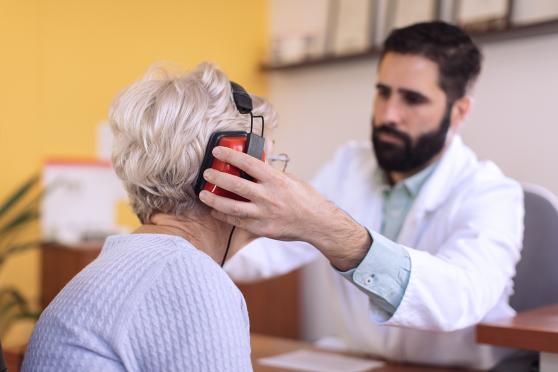
It may be time to get your hearing tested.
Step 1: Remove your hearing aids immediately. Turn them off and wipe them dry with a soft cloth. Don’t shake or blow on your devices, because that can push the moisture further inside.
Step 2: Let your hearing aids dry on a clean surface. Then try turning them on again. If they’re not working, continue to let them dry overnight. You can put your devices in a dry-aid kit (also called a dehumidifier or drying box) if you have one. These containers help remove moisture from hearing aids.
A few notes of caution: Never use a hair dryer to dry your hearing aids. Don’t put them in the microwave or leave them near a heater to dry. And don’t put them in rice to try to dry them, since the dust and starch can get inside the devices and cause damage.
Step 3: If your hearing aids are not working after 24 hours, bring them to your hearing care professional. Your provider can assess your devices and see if there’s an easy fix. If not, you may need a replacement pair. Most hearing aids are covered under warranty for the first 3 years, so if you’re in that window, the replacements will most likely be covered.
You can try these tips to keep your devices from getting wet:
- Get in the habit of inserting them after you shower each day.
- If you’re a swimmer, keep an extra hearing aid case in your bag so you can store your devices safely when you’re in the water.
- If you tend to sweat a lot when you exercise, I recommend taking your hearing aids out until your workout is over. Why? Excessive perspiration may seep into hearing aids and cause damage.
(Ready to request a hearing exam and consultation? EPIC Hearing Healthcare has a wide network of hearing care professionals. Request an appointment.)
Meet the expert
Monica Murray, Au.D., is vice president of program development at EPIC Hearing and a nationally recognized hearing health expert.

Clinically reviewed
Published July 27, 2026
Information is for educational purposes only and is not a substitute for the advice of a licensed medical provider. Consult your provider prior to making changes to your lifestyle or health care routine.
Network size varies by market.